How Light Weight Aluminum Casting Works: Discovering the Methods and Advantages in Modern Market
Light weight aluminum Casting is an essential process in modern manufacturing. It entails forming molten aluminum with different techniques, each with distinctive benefits. Techniques like sand casting, die casting, and investment Casting deal with various manufacturing requirements. These methods not only enhance product performance however likewise line up with sustainable methods. Recognizing the subtleties of each strategy discloses their value in varied sectors. What effects do these developments hold for the future of manufacturing?
The Basics of Aluminum Spreading
Light weight aluminum Casting is a commonly used manufacturing process that involves forming liquified aluminum into specific forms. This technique is vital in different markets, including automobile, aerospace, and consumer goods. The process starts with melting light weight aluminum ingots in a heater, getting to temperatures around 660 levels Celsius. As soon as the light weight aluminum is molten, it can be poured into mold and mildews constructed from metal or sand, allowing it to cool and strengthen right into the wanted form.
Sand Spreading: A Conventional Method
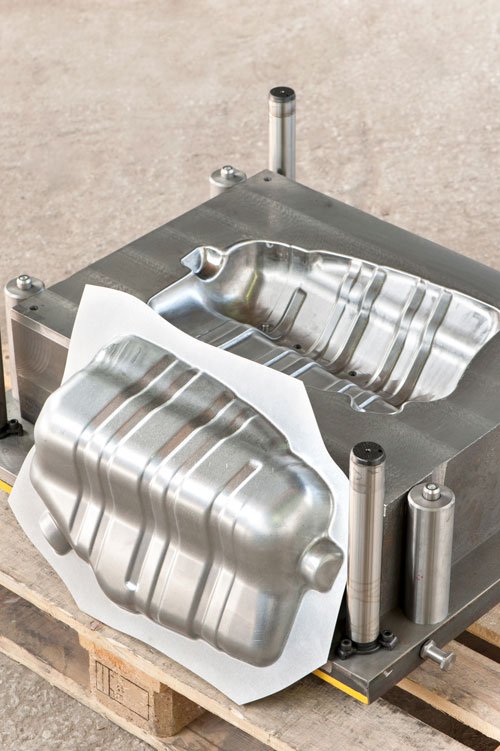
One of the most conventional methods of aluminum Casting is sand spreading, a strategy that goes back hundreds of years. This procedure includes producing a mold from a mixture of sand and a bonding agent, commonly clay, which creates a dental caries in the form of the preferred element. Once the mold is ready, liquified light weight aluminum is poured into the cavity, permitting it to solidify and cool down.
Sand Casting is favored for its flexibility and cost-effectiveness, making it ideal for both tiny and huge production runs. The method can accommodate complicated geometries and detailed layouts that may be challenging for other techniques. While the surface area finish of sand-cast components might not match that of even more contemporary techniques, the ability to produce huge castings and the ease of mold creation are considerable benefits. Generally, sand Casting remains a reliable option in the light weight aluminum Casting industry, especially for personalized and low-volume applications.
Die Casting: Accuracy and Efficiency
While sand Casting is recognized for its flexibility, pass away casting offers unparalleled precision and effectiveness in the aluminum Casting procedure. This strategy involves requiring liquified aluminum right into a metal mold, or pass away, under high pressure. Such a technique assures that the end product exhibits tight resistances and a smooth surface area finish, lowering the need for substantial post-processing.
Die Casting is especially useful for high-volume production, as it enables for quick cycle times and consistent high quality throughout countless parts. The process successfully minimizes product waste, making it an affordable remedy for producers. In addition, the resilience of die-cast parts provides itself to numerous applications, including vehicle, aerospace, and durable goods.
Investment Casting: Fine Detail and Complicated Forms
Financial investment Casting stands out in the domain of aluminum Casting for its ability to produce elaborate layouts and fine details. This technique involves creating a wax pattern that is coated with a ceramic shell. When the shell solidifies, the wax is disappeared, leaving a specific mold for the light weight aluminum to be poured right into. The procedure permits the production of complex forms that would certainly be difficult or impossible to achieve with other Casting techniques.
Financial investment Casting can accommodate a vast range of sizes and weights, making it flexible throughout lots of markets. It also enables the creation of parts with limited resistances and thin walls, which are necessary for innovative design applications. Consequently, investment Casting is often preferred for components that need high dimensional accuracy and surface area finish, more showcasing its relevance in contemporary manufacturing.
Benefits of Light Weight Aluminum Casting in Manufacturing
Light weight aluminum casting deals many benefits that substantially improve manufacturing procedures. One considerable advantage is its light-weight nature, which minimizes transport expenses and boosts energy effectiveness in end items. Additionally, light weight aluminum's exceptional corrosion resistance extends the life-span of actors elements, making them excellent for numerous applications. The versatility of aluminum Casting strategies permits for the manufacturing of complicated geometries, allowing makers to produce intricate styles find more that satisfy details demands.
Additionally, light weight aluminum has superior thermal and electrical conductivity, making it appropriate for a variety of industries. The Casting process itself is efficient, commonly causing reduced waste material compared to other manufacturing methods. Light weight aluminum can be reused numerous times without shedding its buildings, advertising sustainability within the sector. This mix of recyclability, resilience, and efficiency makes light weight aluminum casting a favored option for producers seeking to optimize manufacturing while lessening environmental impact.
Applications of Light Weight Aluminum Casting Throughout Industries
Aluminum Casting is essential to various sectors, showcasing its convenience and performance. In the vehicle field, it enables innovations in light-weight components, while in aerospace, it plays a vital function in manufacturing high-performance components. Furthermore, the customer goods industry gain from light weight aluminum Casting via the manufacturing of resilient and visually pleasing items.
Automotive Sector Innovations
As the vehicle sector remains to develop, the assimilation of light weight aluminum Casting has actually emerged as a crucial advancement that enhances lorry performance and sustainability. This lightweight material considerably lowers total vehicle weight, causing enhanced gas efficiency and reduced discharges. Light weight aluminum Casting permits for complex geometries, making it possible for suppliers to develop elaborate parts that enhance airflow and boost aerodynamics. In addition, the Casting procedure facilitates quick manufacturing, enabling automakers to respond quickly to market needs and technological improvements. The resilience and corrosion resistance of light weight aluminum also contribute to longer-lasting components, ultimately decreasing upkeep expenses for consumers - Aluminum Casting Manufacturer. As a result, aluminum Casting stands at the forefront of modern automotive design, driving improvements that line up with green initiatives and customer expectations
Aerospace Component Production
The aerospace industry has increasingly taken on light weight aluminum Casting for its capacity to produce light-weight, high-strength parts important for aircraft efficiency and security. This approach enables manufacturers to create intricate styles that maximize the rules of aerodynamics while reducing weight. Components such as engine real estates, architectural frameworks, and touchdown gear gain from light weight aluminum's desirable strength-to-weight ratio, improving fuel efficiency and overall airplane capabilities. Furthermore, aluminum Casting techniques allow the manufacturing of intricate geometries that would certainly be tough or impossible to attain with you can try these out typical production techniques. The longevity and deterioration resistance of aluminum more add to the longevity of aerospace components, lowering maintenance costs. As the need for a lot more sustainable and efficient aviation services expands, light weight aluminum Casting continues to be a crucial innovation in aerospace engineering.
Customer Goods Manufacturing
Countless markets take advantage of aluminum Casting for durable goods manufacturing as a result of its flexibility and efficiency. This production strategy is extensively utilized in developing a variety of items, consisting of kitchenware, automobile components, and digital cases. The lightweight nature of light weight aluminum improves item efficiency while lowering shipping costs and energy usage. Additionally, aluminum Casting enables complex designs, which can meet modern-day consumer demands for aesthetic appeals and functionality. The ability to create products in huge quantities with consistent quality further solidifies light weight aluminum's placement in the durable goods market. Additionally, the recyclability of aluminum adds to sustainable practices, attracting eco mindful customers. Overall, aluminum Casting is indispensable to satisfying the varied needs these days's customer products industry.

Future Fads in Light Weight Aluminum Casting Technology
Arising improvements in aluminum Casting innovation are poised to transform the industry. Advancements such as 3D printing and additive production are allowing the production of complicated geometries with minimized material waste. These strategies permit quick prototyping and shorter lead times, making it much easier for producers to react to market needs. Additionally, the assimilation of expert system and artificial intelligence is boosting quality control procedures, causing boosted Casting precision and lowered problems.
Sustainability is another substantial pattern, with firms increasingly embracing environmentally friendly practices, such as reusing scrap aluminum and making use of energy-efficient approaches. Furthermore, the growth of sophisticated alloys is increasing the efficiency variety of light weight aluminum castings, making them appropriate for more demanding applications throughout numerous fields, including vehicle and aerospace. As these trends continue to progress, the light weight aluminum Casting market is expected to become extra reliable, lasting, and receptive to the demands of contemporary production.
Regularly Asked Concerns
What Precaution Are Necessary Throughout the Light Weight Aluminum Casting Refine?
During the aluminum Casting procedure, important precaution include using safety equipment, guaranteeing correct air flow, preserving devices, carrying out normal safety training, and sticking to policies to prevent crashes and injuries related to heats and dangerous materials.
How Does Aluminum Recycling Influence Casting Practices?
Aluminum recycling substantially affects Casting methods by ensuring a sustainable supply of materials, reducing power consumption, and lessening waste. This procedure improves performance, decreases manufacturing prices, and promotes environmentally friendly practices within the aluminum industry.
What Are the Ecological Problems Related To Aluminum Spreading?
The environmental worries connected with light weight aluminum Casting consist of high power consumption, greenhouse gas emissions, and potential dirt and water contamination from waste materials. Aluminum Casting Manufacturer. These factors elevate substantial inquiries about sustainability and the industry's total ecological impact
Just How Do Casting Issues Influence Item Performance?
Casting flaws substantially affect product performance, resulting in reduced strength, increased brittleness, and jeopardized longevity. Such problems can likewise influence aesthetic high qualities and precision, inevitably weakening the functionality and reliability of the final light weight aluminum products.
What Are the Prices Entailed in Aluminum Casting?
The costs entailed in light weight aluminum Casting encompass product expenses, labor, tools, and functional expenses. In addition, aspects such as mold design complexity and manufacturing quantity considerably affect total rates, affecting profitability view publisher site and competition within the industry.
Techniques like sand spreading, pass away spreading, and investment Casting provide to various production demands. Several techniques exist within aluminum spreading, consisting of die casting, gravity casting, and low-pressure spreading, each offering unique benefits depending on the application. One of the most typical approaches of light weight aluminum Casting is sand casting, a technique that dates back thousands of years. While sand Casting is known for its versatility, die casting deals unmatched precision and efficiency in the light weight aluminum Casting process. Investment Casting stands out in the domain name of aluminum Casting for its ability to generate great details and detailed designs.